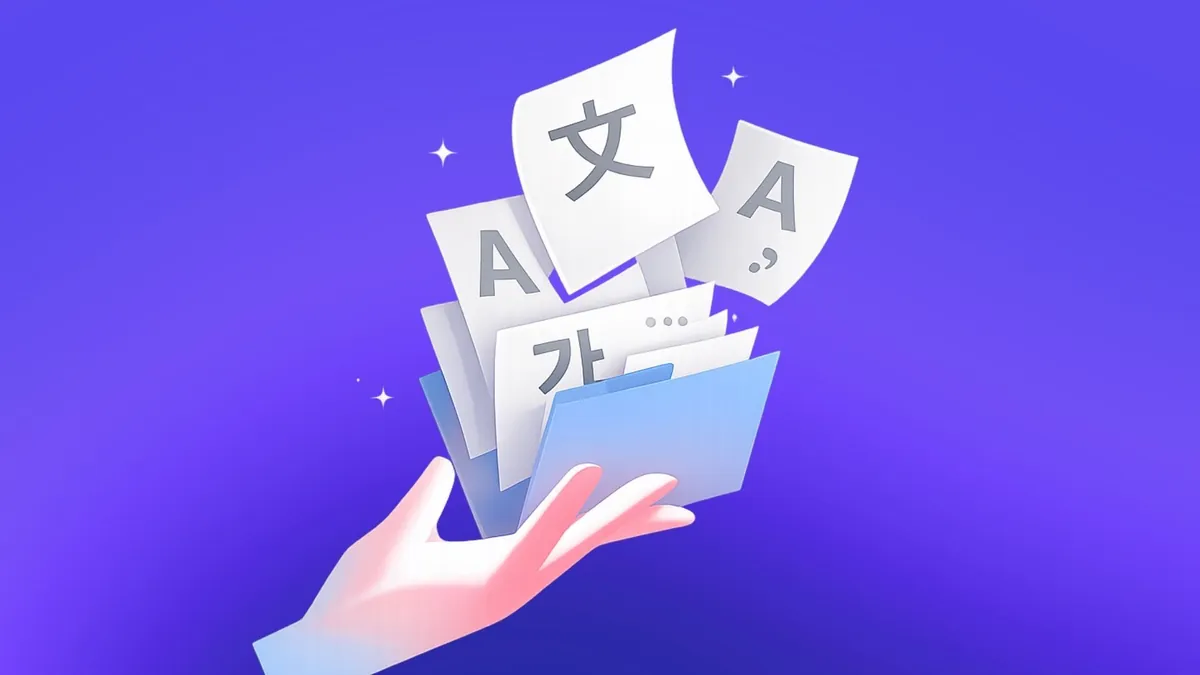
What Meeting Interpreter workflow means for business teams
Real-time speech translation is the instantaneous conversion of spoken words from one language to another. This technology allows individuals to understand and participate in conversations in real-time, regardless of their native language. It's a critical tool for global collaboration, enabling seamless communication in meetings, presentations, and other live interactions. The core function is to capture the audio, translate the speech, and deliver the translated output, typically as either translated audio or text-based captions.
This technology has advanced significantly, moving from simple transcription to sophisticated AI-powered interpretation. The market has seen a surge in demand, driven by the increasing globalization of businesses and the need for effective cross-cultural communication. The focus has shifted from simple transcription to interpretation that considers context, speaker flow, and terminology accuracy.
Why Real-time speech translation matters in 2026
In 2026, Meeting Interpreter workflow is no longer a luxury; it's a necessity for businesses operating internationally. Here's why:
- Global Collaboration: Remote teams are the norm. Real-time translation breaks down language barriers, allowing teams to collaborate effectively on projects, regardless of location or language. This is vital for projects with deadlines, such as software development, product launches, or investor relations.
- Enhanced Meeting Productivity: Meetings are more efficient when everyone understands the content. Translation services provide clear and accurate interpretations, reducing misunderstandings, and saving time. Imagine a critical product demo where international stakeholders are present. Real-time translation ensures everyone receives the same information, at the same time.
- Improved Client Relationships: Providing translation services during client meetings demonstrates a commitment to inclusivity and understanding. This builds stronger relationships and fosters trust. Consider a sales presentation to a client in a different country; translation allows for a smooth, professional presentation.
- Access to a Wider Talent Pool: Companies can recruit talent from anywhere in the world. Real-time translation enables effective communication and collaboration with a diverse, multilingual workforce. This expands the talent pool and fosters innovation.
- Risk Mitigation: Misunderstandings can lead to errors, delays, and lost opportunities. Real-time translation minimizes these risks by ensuring everyone is on the same page. This is important in high-stakes negotiations, legal proceedings, or any situation where accuracy is paramount.
Consider the handoff between departments in a multinational company. Without real-time translation, crucial information can be lost or misinterpreted, leading to delays and errors. This technology ensures that all parties receive the same information, enabling a smooth workflow and successful project outcomes.
For the practical workflow, Real-time speech translation with Doctranslate.io keeps the meeting platform, captions, and interpretation review in one place.
How to evaluate a Meeting Interpreter workflow
Evaluating a this workflow workflow involves several key criteria to ensure quality and effectiveness. Here's how to assess the different aspects of the process:
- Quality of Translation: Assess the accuracy of the translations. This includes correct grammar, accurate terminology, and the ability to capture the nuance and context of the original speech. A good translation should sound natural and convey the intended meaning without errors.
- Review and Editing: Determine whether the platform offers post-translation review and editing. This is critical for ensuring accuracy, especially in specialized fields. Can the translation be reviewed and corrected by a human editor? Is there a process for feedback and improvement?
- Delivery Options: Evaluate the delivery options. Does the platform provide translated audio, text captions, or both? Are the captions synchronized accurately with the spoken words? Are there options for different display styles and customization?
- Compliance and Security: Ensure the platform complies with relevant data privacy regulations, such as GDPR. Does the platform encrypt data and protect sensitive information? Is there a clear privacy policy that addresses data handling practices?
- Source Format Compatibility: Confirm the platform supports the file formats and audio sources you need. Does it work with Zoom, Teams, Meet, and other meeting platforms? Does it support various audio codecs and file types?
To evaluate the quality, test the platform with different speakers, accents, and technical terminology. Review the output with a native speaker of the target language. Check the accuracy of the captions and the synchronization with the audio.
How Doctranslate.io handles Real-time speech translation
Doctranslate.io offers a powerful solution for live interpretation workflow with its product, Meeting Interpreter. This tool provides Real-time AI interpretation for Zoom/Teams/Meet, ensuring seamless communication in live meetings. Meeting Interpreter offers several key features:
- AI-Powered Translation: Uses advanced AI algorithms to provide accurate and natural-sounding translations in real-time.
- Multi-Language Support: Supports a wide range of language pairs, allowing you to connect with global teams and clients.
- Integration with Popular Platforms: Seamlessly integrates with Zoom, Teams, and Meet, making it easy to use in your existing workflow.
- Customizable Settings: Offers customizable settings for caption display, audio output, and other preferences.
With Doctranslate.io's Meeting Interpreter, you can focus on the meeting content, not the language barrier. The AI-powered translation ensures everyone understands the discussion, leading to more productive and inclusive meetings. You can learn more about how to improve your team's global communication with Doctranslate.io's the Doctranslate.io setup solution by visiting the product page.
Learn more about Meeting Interpreter
Practical use cases for Meeting Interpreter workflow
Here are three practical business scenarios where the review path is essential:
- International Sales Meetings: A sales team presents a product demo to clients in multiple countries. Real-time translation provides instant access to the presentation and Q&A in the client's language. This ensures the clients fully understand the product's benefits, leading to a higher chance of a successful sale.
- Global Training Sessions: A company conducts training sessions for employees in different countries. Real-time translation ensures that all participants understand the training material, regardless of their native language. This enhances learning and ensures consistent knowledge transfer across the organization.
- Cross-Border Legal Proceedings: A law firm holds a virtual deposition with witnesses and lawyers from different countries. Real-time translation enables all participants to understand the proceedings, allowing for accurate testimony and fair legal outcomes.
These scenarios illustrate how real-time translation facilitates effective communication and collaboration in diverse business environments.
Implementation checklist for Meeting Interpreter workflow
Implementing Meeting Interpreter workflow requires a structured approach. Here's a checklist to guide you:
- Define Ownership: Identify the team or individual responsible for implementing and managing the translation solution. This person will oversee setup, training, and troubleshooting.
- Platform Setup: Set up the chosen translation platform, integrating it with your meeting software (Zoom, Teams, Meet). Configure language pairs, audio settings, and caption display preferences.
- User Training: Train team members on how to use the translation tool. This includes understanding the interface, accessing translations, and providing feedback.
- Quality Checks: Conduct regular quality checks to ensure the accuracy and reliability of the translations. Monitor the performance of the AI and make adjustments as needed.
- Delivery and Distribution: Determine how the translations will be delivered. Will they be audio translations, text captions, or both? How will the translations be distributed to meeting participants?
- Feedback and Iteration: Gather feedback from users about the quality of the translations and the usability of the platform. Use this feedback to improve the workflow and optimize the translation process.
Following this checklist ensures a smooth implementation and maximizes the benefits of this workflow.
Common mistakes to avoid with Meeting Interpreter workflow
Avoiding common mistakes is crucial for successful live interpretation workflow. Here are some pitfalls to watch out for:
- Poor Audio Quality: Ensure the audio quality is high. Background noise, echo, and poor microphone placement can significantly impact the accuracy of the translation. Use a high-quality microphone and ensure the meeting environment is quiet.
- Ignoring Terminology: Failing to customize the translation engine with industry-specific terminology can lead to inaccurate translations. Provide a glossary of terms or train the AI to recognize specific jargon.
- Lack of Human Review: Relying solely on automated translation without human review can lead to errors, especially in complex or sensitive situations. Always have a human editor review the output, particularly for critical meetings.
- Insufficient Training: Not training users on how to use the translation platform properly can lead to frustration and inefficient meetings. Provide adequate training and support to ensure users understand the platform's features and limitations.
- Data Privacy Violations: Failing to comply with data privacy regulations is a serious risk. Choose a platform that adheres to GDPR and other relevant standards, and ensure you have a clear privacy policy.
By avoiding these mistakes, you can significantly improve the effectiveness of your the Doctranslate.io setup workflow.
Slator language technology reports track how language and localization teams evaluate automation by accuracy, review control, speed, and production readiness.
For setup, teams should define the spoken conversation, target audience, language direction, and any terms that must stay unchanged. This keeps the live interpretation workflow focused on the real business moment instead of producing a generic output.
The Bottom Line
The bottom line: Meeting Interpreter workflow works best when teams define languages, speaker flow, terminology, privacy needs, and follow-up before the meeting starts. Meeting Interpreter should support that plan without adding unnecessary cleanup or review loops.
Start with Doctranslate.io Meeting Interpreter when the next meeting needs live captions, interpretation, and reviewer-ready terminology.




Discussion
No comments yet