Enterprise-grade software must prioritize the retention of complex document features, ensuring that the visual hierarchy remains intact across every page. High-fidelity translation platforms provide secure environments where business documents are processed without leaking sensitive data into public training models.
Automated Document Translation: Reducing Review Cycles with Doctranslate.io
Machine translation reaches its limit when it lacks the contextual nuance required to handle professional documentation without expert human oversight. Finance teams managing P&L packs often find that standard tools misinterpret technical accounting labels, which leads to discrepancies in audit packets. By utilizing specialized models, Doctranslate.io ensures that financial terminology remains consistent and technically accurate, reducing the need for intensive validation by accounting leads.
Terminology Consistency Risks
Automated tools frequently struggle with legal terminology in multilingual agreements, often mistranslating "indemnification" or "force majeure" clauses. Without a platform that allows for custom glossaries or high-precision AI models, these nuances become points of failure in legal compliance, exposing firms to unnecessary risk. That matters because Japanese files often need layout review, terminology ownership, file-format checks, and clear final approval before delivery.
Quality Checks and Reviewer Roles
Review cycles are often artificially extended because automated tools strip out structural elements like page headers and footer labels. Doctranslate.io automates the preservation of these elements, so the final output matches the source structure perfectly, allowing reviewers to focus on content accuracy rather than fixing broken tables or misaligned text blocks. For the practical workflow, automated document translation with Doctranslate.io keeps the source file, target output, and review step in one place.
Execution of the File Translation Workflow
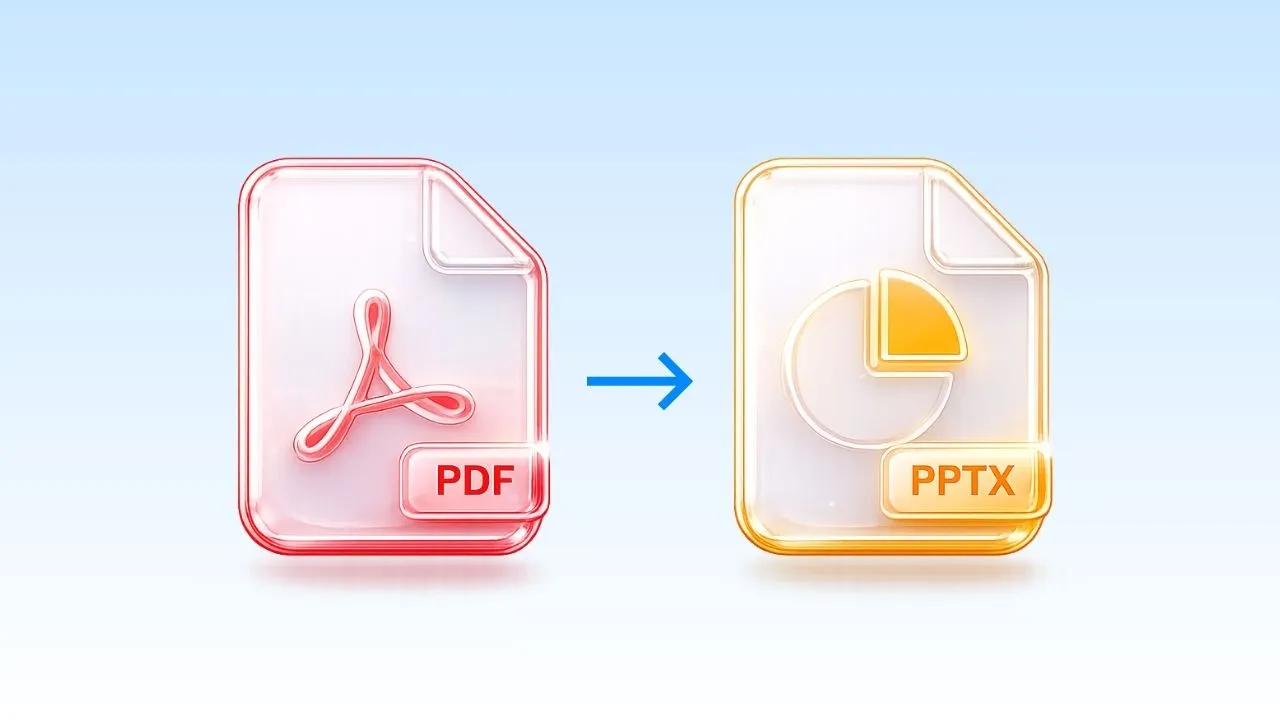
Doctranslate.io excels by maintaining high-fidelity reproduction of Word, PDF, Excel, and PPT files, ensuring deliverables are ready for immediate use.
Finance and Audit Teams
Finance departments often handle dense documents filled with complex data, such as balance-sheet footnotes or extensive audit packets. The platform handles these files by keeping formula cells intact and ensuring that technical data rows are accurately mapped to the target-language output without disrupting the integrity of the original calculation logic.
Export Readiness Review Before Handoff
Legal teams require a secure, reliable way to process sensitive contract clauses. Preserving document compliance structures, such as numbered sub-clauses and paragraph indents, is vital for ensuring that the translated document carries the same legal weight as the original.
Marketing teams often manage high-fidelity assets featuring embedded images and complex visual layouts. The capability to maintain these elements across 100+ languages allows global operations to scale content without needing a design team to manually re-insert translated text into every graphic. For the practical workflow, automated document translation with Doctranslate.io keeps the source file, target output, and review step in one place.
Use Cases by Team and Asset
Understanding how different tools handle specific file elements is the difference between a smooth launch and a delayed release.
Handling Tables and Formatting
Automated document translation must handle tables, nested lists, and page breaks without collapsing the document grid. A common failure occurs when an engine shifts a table border across a page break, forcing the entire document architecture to reset. Using a tool optimized for professional documents ensures that every table remains anchored to its corresponding data set.
Section-Level Approval Decision
Trust is a primary factor when selecting translation software for business. The ability to verify that your sensitive business data stays within a secure container, rather than being contributed to a public AI's improvement pool, is a mandatory requirement for any legal or finance department.
Simple text translation ignores the "container" of the information, whereas true document translation understands that the container—the file format—is as important as the words themselves. If you translate the text of an Excel file without keeping the formula headers and column alignment, you have a list of words, not an actionable document.
Conclusion
Document Translation workflow is a strategic necessity for global teams that need to maintain productivity while navigating complex file requirements. Balancing the sheer speed of machine translation with the precision of structural preservation is the only way to avoid the costly downtime of manual reformatting. For teams that refuse to compromise on file integrity or security, start your professional file translation with Doctranslate.io to ensure your documentation is consistently high-fidelity and delivery-ready.
Start with Doctranslate.io Document Translation when the next file needs a reviewed, ready-to-share output.
Discussion
No comments yet