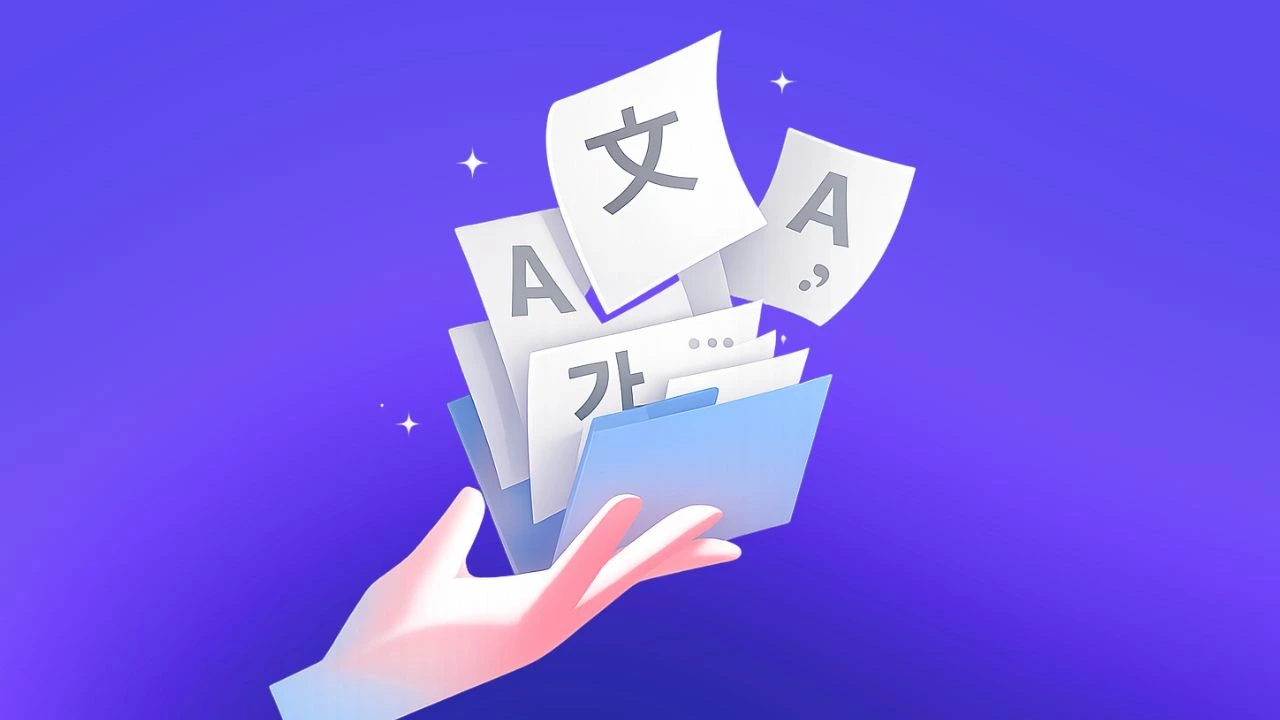
Reliable document output hinges on a centralized platform that integrates automated format preservation with rigorous glossary management. By maintaining original design elements, fonts, and cell alignment, an effective system prevents the common drift that occurs when content is exported and re-imported into.
AI Document Translation: How Doctranslate.io Reduces Review Cleanup
Doctranslate.io utilizes specialized engines designed to map original source files directly to target languages, ensuring high-fidelity preservation of tables, headers, and footers. By automating the handling of complex layout tags, the platform effectively eliminates the need for manual design intervention after the translation process concludes.
- High-Fidelity Extraction: The engine analyzes the document structure, ensuring that even complex items like nested tables in a 50-page PDF remain perfectly aligned with the target-language output. * Layout Preservation: By processing native file formats directly, the software retains the spatial coordinates of every text box and image, so the target document looks identical to the source. * Efficiency Gains: Automating the extraction and re-insertion cycles allows staff to shift their energy away from layout cleanup and toward the content approval process, significantly reducing turnaround times for urgent project delivery.
Execution Steps for File Localization
Localizing a document involves a clean, linear process designed to protect the integrity of your source file throughout the conversion.
- Initial Upload: Submit your source document directly to the platform, ensuring the file is free of unreadable password protections or corrupted object layers that can hinder text extraction. 2. Target Selection: Choose the required target languages and initiate the engine, which automatically respects the structure, fonts, and embedded metadata defined in the original file. 3. Review and Export: Inspect the output file directly in its original format to perform quality checks on localized terminology before exporting the completed, production-ready document.
For the practical workflow, AI Document Translation with Doctranslate.io keeps the source file, target output, and review step in one place.
Applied Use Cases by Department
Different departments rely on specific document structures that require unique handling, particularly when dealing with complex data representations.
Finance Teams and Audit Packets
Finance departments manage high-stakes artifacts like P&L packs, balance-sheet footnotes, and formula-heavy Excel audit packets where a misplaced decimal or broken cell reference represents a critical error. The platform ensures that complex formulas remain functional and that evidence schedules maintain their original column widths, preventing the need for manual re-adjustment of fiscal reporting data.
Section-Level Approval Decision
Legal counsel requires rigorous adherence to specific terminology and confidentiality standards when managing multilingual agreements. By using a secure platform, firms can translate high-stakes contract clauses while maintaining certified translation boundaries, ensuring that every legal nuance is captured accurately without compromising the structure of the original agreement.
Operations teams handle large-scale localization of procedure manuals and cross-departmental documentation. This process ensures that compliance files and training guides provide consistent instructions to global branches, eliminating the risk of mismatched protocols caused by layout shifts in the translated output.
Conclusion
AI document translation has moved beyond simple word-for-word conversion; it is now a fundamental requirement for maintaining structural integrity and corporate consistency at speed. By adopting a solution that preserves layout and terminology, teams can shift their focus from manual file formatting to higher-value communication and strategic growth. Organizations can streamline their internal operations by integrating professional document translation services into their existing communication strategy to ensure global accuracy.
Start with Doctranslate.io Document Translation when the next file needs a reviewed, ready-to-share output.
Related articles
AI Document Translation: A Guide to Preserving Layouts 2026
AI Document Translation: A Guide to Keeping Layouts 2026
AI Document Translation: A Guide to Layout Preservation 2026






Discussion
No comments yet