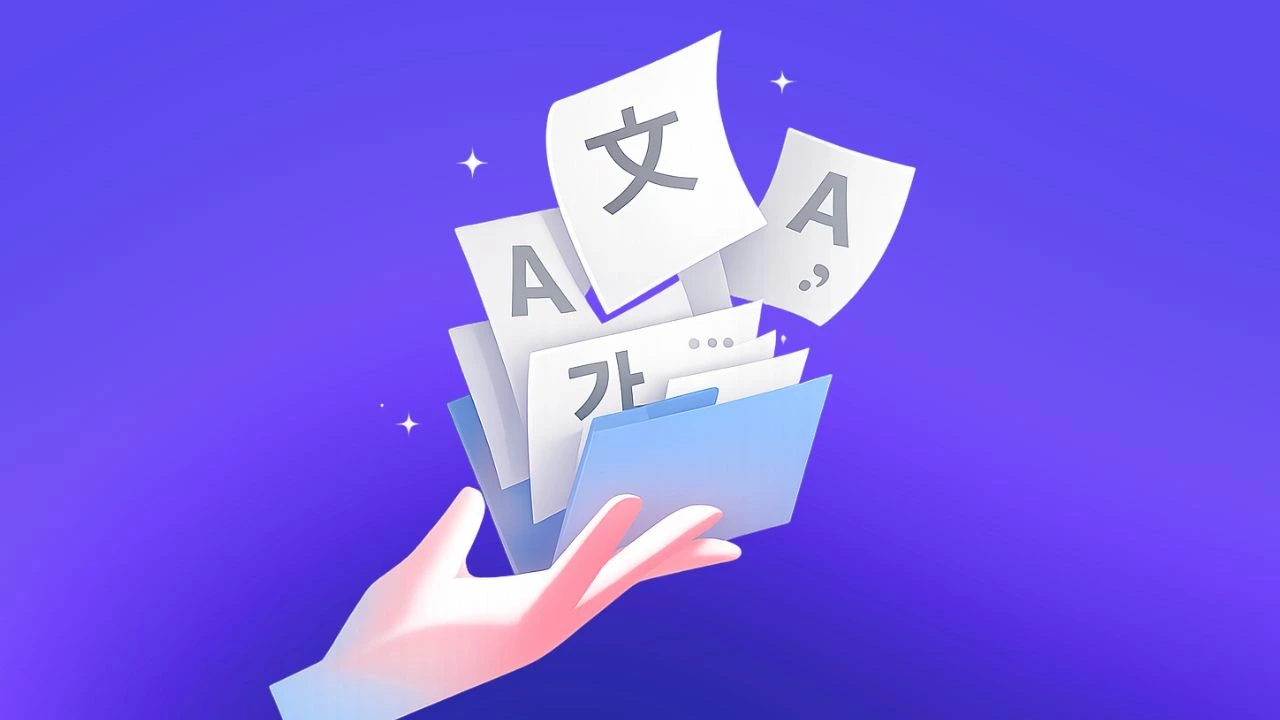
Global finance and operations teams managing multi-region documentation often struggle to maintain consistency when scaling localized content across borders.
Automated Document Translation: Review of Translation Solutions
| Tool Name | Layout Retention (PDF/Excel) | Supported Languages | Security Compliance | Ideal For |
|---|---|---|---|---|
| Doctranslate.io | High (Native Mapping) | 100+ | GDPR/SSL | Enterprise Teams |
| Industry Benchmark A | Moderate (Text Only) | 50+ | Standard | Simple Docs |
| Industry Benchmark B | Low (Basic Export) | 20+ | Variable | Internal Memos |
Effective evaluation requires moving beyond pure speed to look at the 'translation fidelity' score, which measures how often a file requires manual reformatting after the export process. Tools failing this metric force teams to spend hours realigning tables, fixing broken page breaks, or restoring embedded objects. Reliable workflows prioritize native-file reconstruction, ensuring the output is immediately audit-ready.
Essential Pillars for Reliable Workflows
Without these, your team will spend more time fixing the "digital mess" left behind by generic tools than you would have spent translating the content manually from the start.
The Cost of Manual Cleanup
Standard translation engines often strip away complex typography, which forces your staff to manually rebuild headers, footnotes, and page numbers. When dealing with high-stakes documents like cross-border audit packets, even a minor layout shift can lead to confusion during a regulatory review. Choosing a solution that preserves embedded tables and structural formatting directly impacts your bottom line by reducing non-billable hours.
Export Readiness Review Before Handoff
Teams working with financial workpapers or legal contracts cannot compromise on privacy. Any platform selected must utilize robust encryption protocols that secure sensitive data while in transit and at rest. Ensuring your chosen solution adheres to strict international privacy standards, such as GDPR compliance, protects your organization from the risks associated with data leakage or unauthorized access to proprietary evidence schedules.
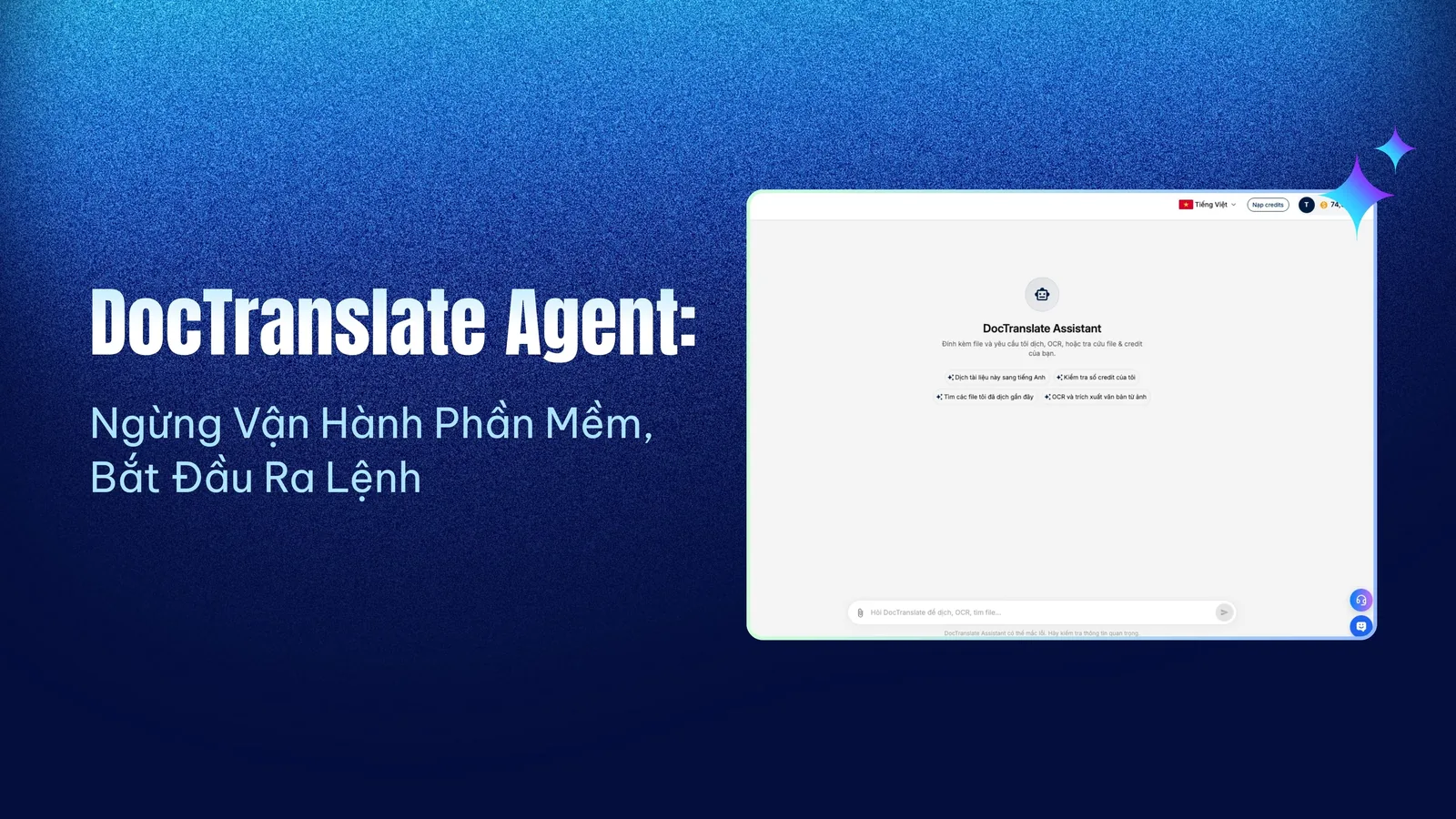
For the practical workflow, automated document translation with Doctranslate.io keeps the source file, target output, and review step in one place.
How Doctranslate.io Reduces Review Cleanup
Doctranslate.io employs proprietary AI-powered preservation that maps target-language text back into its original containers, effectively mirroring the source structure in the target file. By automating the re-assembly of the file, it eliminates the need for manual reformatting that often follows the use of inferior translation engines.
Speed Versus Nuance
Large-volume projects often demand rapid deployment, yet technical documents require precision to maintain their original meaning. While speed is a factor, the real bottleneck is the 'human-in-the-loop' review stage. By using AI to handle 95% of the heavy lifting—retaining tables, formulas, and fonts—Doctranslate.io allows reviewers to focus exclusively on terminology accuracy rather than formatting errors, creating a faster path to a delivery-ready file.
Quality Checks and Reviewer Roles
Standard machine translation often treats documents as a simple string of text, which creates significant issues when you export to complex file types like Excel or PowerPoint. Advanced AI-powered systems recognize the difference between a header, a table cell, and body text, mapping these elements accurately to prevent layout drift. This structural awareness is essential for maintaining the integrity of P&L packs, where misplaced decimals or broken formulas can cause audit issues.
Executing the Translation Process
Finance teams managing complex documentation require a workflow that maintains the integrity of balance-sheet footnotes and control notes. A reliable process involves more than just swapping the language; it involves protecting the mathematical and structural logic embedded within your corporate files.
Maintaining Financial Integrity
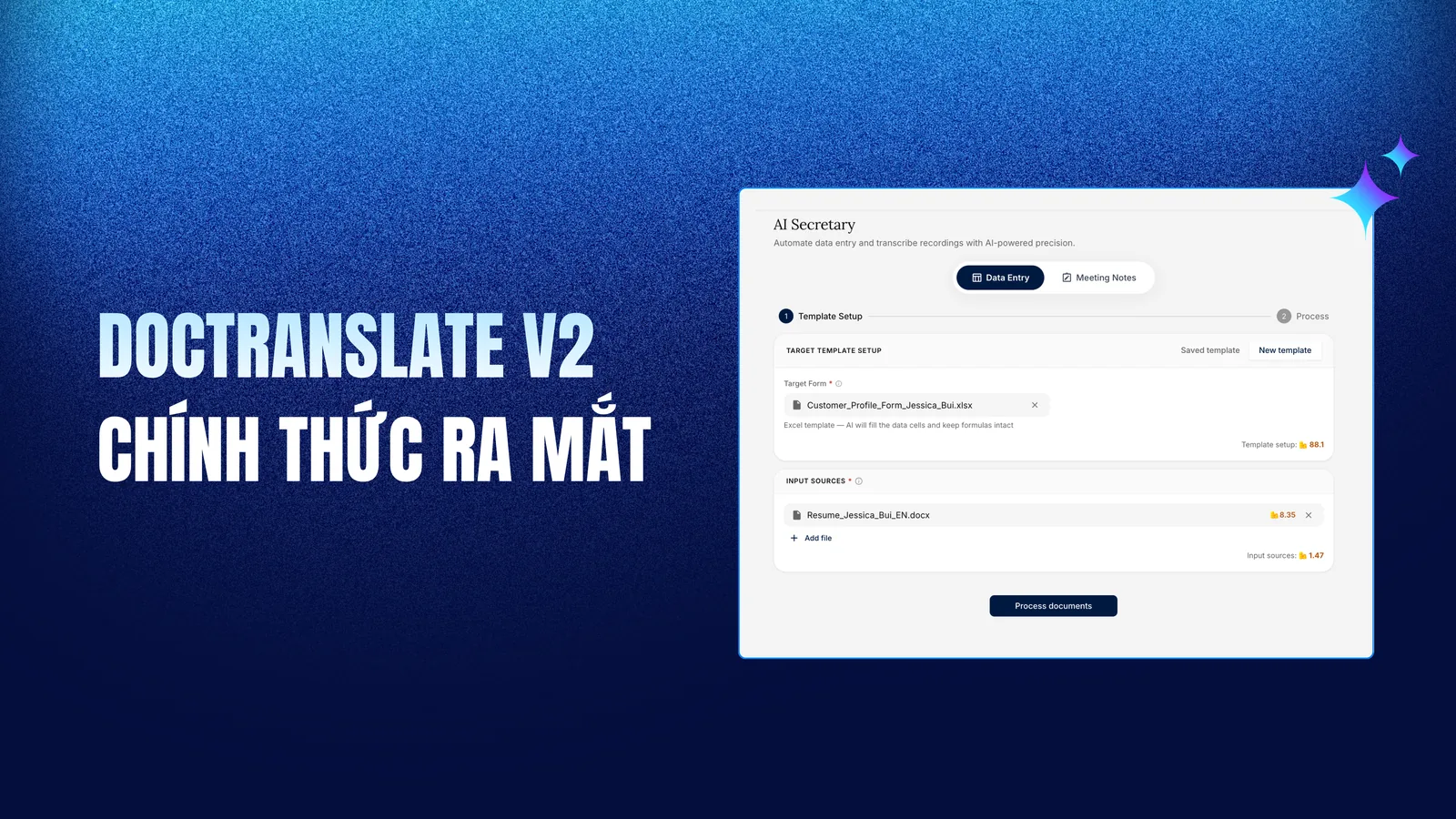
When handling Excel-based audit packets, the primary risk is stripping away underlying calculations. An automated solution must keep formula cells intact and operational even after the text inside the cells is converted to another language. This functionality ensures that regional teams can interact with the translated document immediately without having to rebuild the logic of a complex budget model.
Section-Level Approval Decision
Cross-border audit packets require rigorous standardization to meet regulatory compliance across different regions. By utilizing a tool that enforces consistent terminology and preserves the source layout, teams can ensure that an evidence schedule in one country looks identical to its counterpart in another. This uniformity is vital for auditors who need to check data points across multiple jurisdictions without encountering inconsistencies in documentation.
Use Cases by Team and Asset
Selecting the right tool depends on whether your priority is raw volume, high-precision compliance, or rapid team-wide throughput. For organizations that handle professional-grade Word, PDF, and PPT files, Doctranslate.io stands out for its ability to maintain structural fidelity across high-complexity assets.
Before committing to long-term enterprise integration, teams should conduct a pilot phase. Take a representative sample of 10-15 files—including a dense Excel workpaper and a multi-page PDF report—and measure the time required for post-translation review. This step confirms that the platform meets your internal quality thresholds before scaling usage across the entire department.
Conclusion
Automated document translation has evolved from a simple word-counting game into a sophisticated mechanism for scaling global operations without sacrificing quality. By choosing a platform that prioritizes format fidelity and handles complex file structures with precision, your organization can save hundreds of hours on cleanup labor. If you are ready to modernize your documentation workflow, start a pilot project with Doctranslate.io to ensure your global assets maintain professional standards.
Start with Doctranslate.io Document Translation when the next file needs a reviewed, ready-to-share output.

Discussion
No comments yet