
English to French Document Translation matters when legal teams need translated contracts, NDAs, policies, exhibits, and multilingual agreements that preserve clause meaning and review evidence. The safe version keeps source context, legal terminology, layout, confidentiality notes, and final approval attached to the delivered file.
Why Legal Teams Struggle
Legal files are difficult to translate because the document is both a language asset and an evidence record. A contract can fail even when the sentences sound fluent, because defined terms, party names, clause numbers, signature blocks, exhibits, and governing-law language still have to match the source file.
Security also changes the workflow. Counsel may need to protect privileged material, restrict access to deal terms, and decide whether a certified, sworn, notarized, or court-ready translation is required before anyone shares the output. The translation step should not hide those decisions behind a generic business review.
- Clause risk: headings, cross-references, schedules, and exhibits can drift from the original agreement.
- Confidentiality risk: privileged or deal-sensitive files need named reviewers and controlled delivery locations.
- Certification risk: some recipients require certified or notarized translation beyond an AI-prepared draft.
A reliable workflow reduces those risks before delivery. The practical goal is to keep the translated file close enough to the source that legal, compliance, and business reviewers can approve meaning, structure, and handoff notes without rebuilding the document by hand.
What Reliable Legal Review Design Needs
Reliable legal review starts before upload. The team should name the file purpose, target jurisdiction or market, confidentiality level, glossary owner, required delivery format, and final approver before translation begins. That setup gives reviewers a checklist that matches the legal use case instead of a generic quality score.
For security planning, NIST cybersecurity and privacy guidance gives teams a practical lens for access control, review ownership, and risk decisions around sensitive information. Legal teams can apply the same discipline by deciding who may view the source, who may approve translation, and where the final file can be stored.
- Legal owner: checks defined terms, clause meaning, governing-law language, signatures, and exhibits.
- Business owner: checks commercial meaning, party names, dates, amounts, obligations, and approval notes.
- Format owner: checks numbering, comments, redlines, tables, appendices, page references, and final export.
Stop conditions matter as much as approval rules. The workflow should pause when the source file is incomplete, a glossary term has no owner, a jurisdictional requirement is unclear, or an exported file no longer matches the original layout. Naming those conditions prevents teams from treating every translated legal file as equally safe.
How Doctranslate.io Fits Legal Document Review
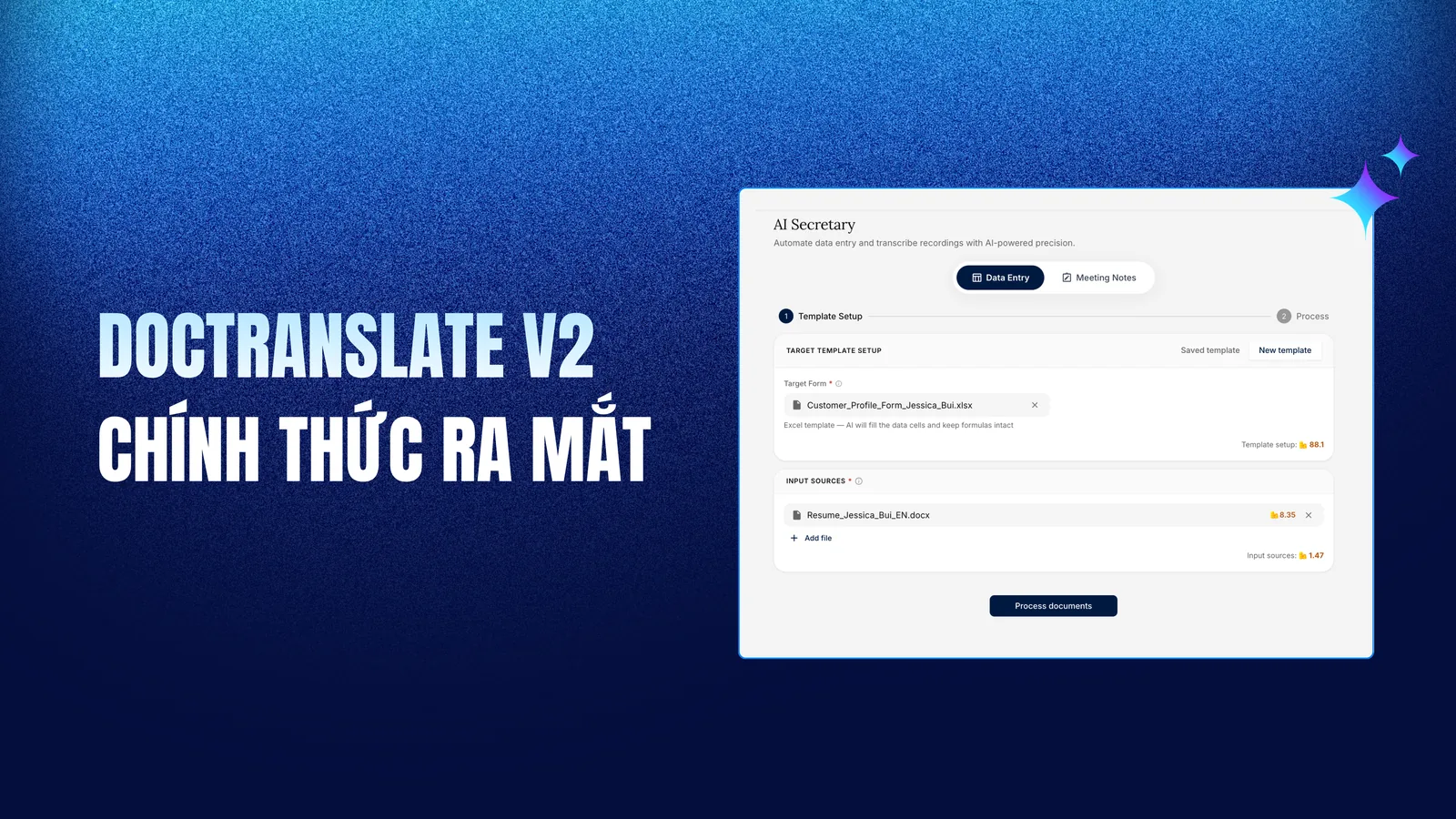
Teams can evaluate AI Document Translation Workflow for Legal Teams with Doctranslate.io in the same pilot where they test source files, reviewer ownership, and final delivery requirements. Doctranslate.io fits when the team needs file translation and layout preservation in one controlled path, especially for Word contracts, PDF exhibits, Excel schedules, and PowerPoint deal materials.
The best pilot is not a perfect memo. Use a contract packet with comments, an NDA with defined terms, a policy with cross-references, or an exhibit schedule with tables. That file shows whether reviewers can focus on terminology, clause meaning, numbering, and delivery readiness instead of manually rebuilding the asset after translation.
Doctranslate.io is useful only if the review record stays attached to the file. The team should capture unresolved exceptions, glossary choices, layout fixes, confidentiality markings, and final export settings beside the translated output. That evidence lets the next reviewer accept, rerun, or escalate the file without searching through chat.
The product fit test should be measured in legal cleanup avoided, not only in translation speed. If reviewers still recreate clause references, copy terminology decisions into a separate tracker, or rebuild exhibits after translation, the workflow has not solved the legal problem. If the translated file keeps meaning, structure, and approval evidence together, the next batch can start with better review context.
Step-By-Step Legal File Translation Process
Keep the first rollout small enough for legal reviewers to inspect the source file, translated output, and approval notes together. The steps should be repeatable, but they should not ignore confidentiality, certification, or jurisdiction-specific review needs.
- Set up the source file: choose one contract, NDA, policy, exhibit packet, or multilingual agreement with a clear owner, deadline, and confidentiality level.
- Confirm legal review rules: list target languages, target market or jurisdiction, glossary owners, clauses needing manual review, certification requirements, and escalation rules.
- Translate and inspect: review terminology, party names, clause numbers, dates, amounts, signatures, tables, footnotes, and comments against the original file.
- Export with evidence: store the reviewer name, unresolved exceptions, final format, delivery location, and source version with the translated file.
The rollout should stop when the file exposes a risk the team cannot approve. That could be a missing glossary decision, an unclear certification requirement, a confidentiality label that needs specialist review, or a layout issue that makes the exported version unsafe to send.
After the first pilot, keep the notes short. Track cleanup minutes per file, terminology edits, clause-reference fixes, layout issues after export, and files approved without a second formatting pass. Those measures show whether automation reduced legal work or only moved cleanup to a later step.
Legal Use Cases by Document Type
Legal teams should use document translation automation where layout integrity, confidentiality, and review ownership affect the business result. The strongest candidates are repeatable files with known reviewers, clear terminology rules, and a delivery format that must stay usable after translation.
Contracts and Multilingual Agreements
Contracts, NDAs, amendments, and procurement agreements are good first candidates because they contain defined terms, numbered clauses, exhibits, party names, and signature blocks. Reviewers need to verify legal meaning without losing the original structure of the file.
Text length and layout still matter. W3C text-size guidance for translation explains why translated text can expand or contract, so legal teams should check clauses, tables, and signature pages after export rather than approving only plain text.
Certified and Notarized Delivery Paths
Certified, notarized, sworn, or court-bound translations need an explicit delivery rule before the work starts. Doctranslate.io can prepare a reviewable translation draft, but the team still needs to confirm whether the recipient requires a certified translator, notary statement, apostille, or jurisdiction-specific format.
For U.S. immigration-style submissions, USCIS certified translation guidance illustrates why translations may need certification language and translator competence statements. Legal teams should verify the exact receiving institution before relying on any draft.
Policies and Compliance Exhibits
Policies, compliance notices, exhibits, and evidence schedules need a reference check as well as a wording check. Table labels, footnotes, appendix names, version notes, and source attachments should be reviewed together because a correct sentence can still fail if the layout pushes key evidence out of view.
The exception log also gives the legal team a practical rollout boundary. If most fixes are terminology choices, improve the glossary before adding more files. If most fixes are layout issues, test harder source formats before scaling to more teams or language pairs.
Multilingual Contract Handoff Rules
Cross-border matters often need more than one delivery version. A legal team may need an editable Word file for counsel, a locked PDF for signature routing, and a bilingual reference copy for the business owner. Each version should carry the same source version, reviewer name, confidentiality note, and unresolved exception list so the team does not approve one file while another version drifts.
This handoff matters when outside counsel, procurement, finance, and local market reviewers are all involved. The workflow should identify which file is authoritative, which translation is for reference, and which version can be shared externally. Without that rule, a clean translated clause can still create risk because the wrong file leaves the team.
The Bottom Line
For legal teams, document translation should protect the approval record around the file as much as the translated wording. The workflow is ready to scale when source risk, legal terminology, confidentiality rules, layout, reviewer ownership, and final export settings can be checked in one handoff.
Start with Doctranslate.io Document Translation when the next legal file needs translated output that reviewers can approve without rebuilding the source document. A small pilot with real contracts, NDAs, policies, exhibits, or multilingual agreements will show whether the workflow reduces cleanup before it reaches a deadline.
The rollback rule should be simple: if the pilot exposes confidentiality, certification, or clause-reference risk that cannot be approved, keep the output as an internal draft and fix the source process before scaling. That protects the legal team from treating speed as approval evidence.
For recurring legal files, save the approved glossary, required certificate language, reviewer role, and delivery format after each accepted run. Those notes make the next contract, exhibit, or policy translation easier to verify and easier to roll back if a reviewer finds a clause, signature, or confidentiality issue. They also keep outside counsel aligned with internal approval evidence.


Discussion
No comments yet