In today's interconnected world, businesses and individuals frequently require the ability to bridge language barriers. Specifically, English to Korean Document Translation is more critical than ever, facilitating communication, collaboration, and international expansion.
What is Document Translation?
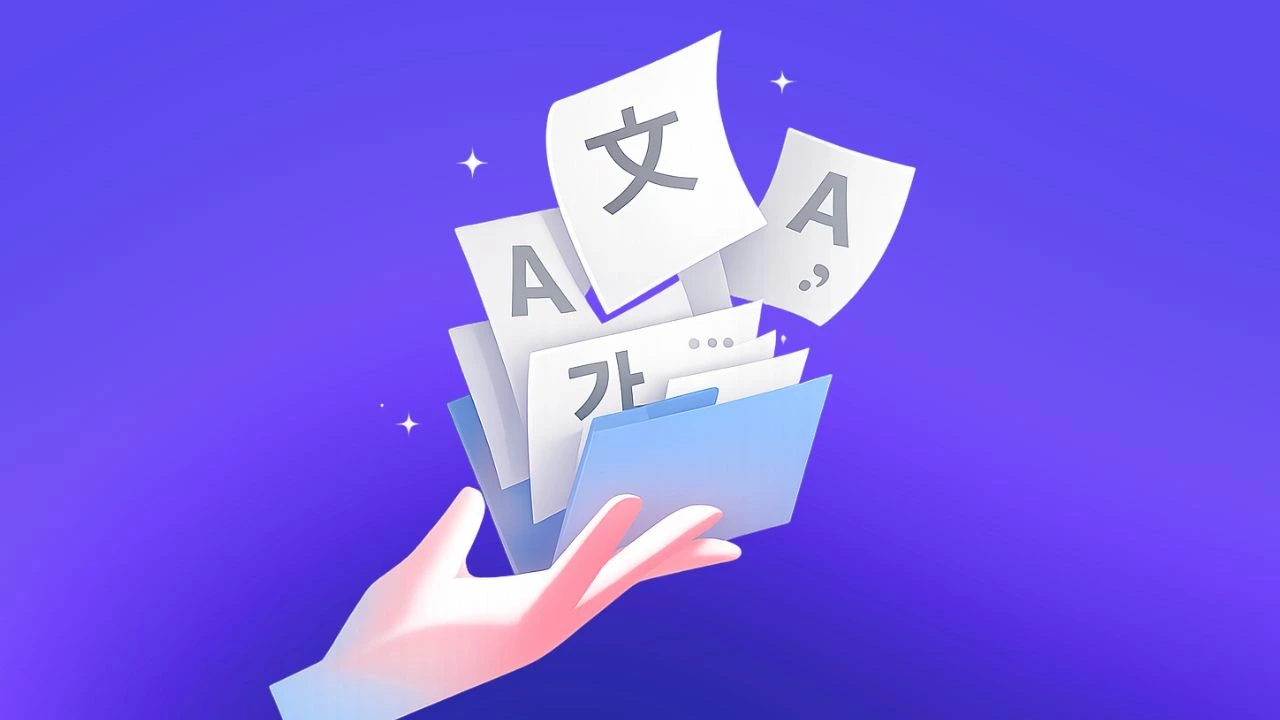
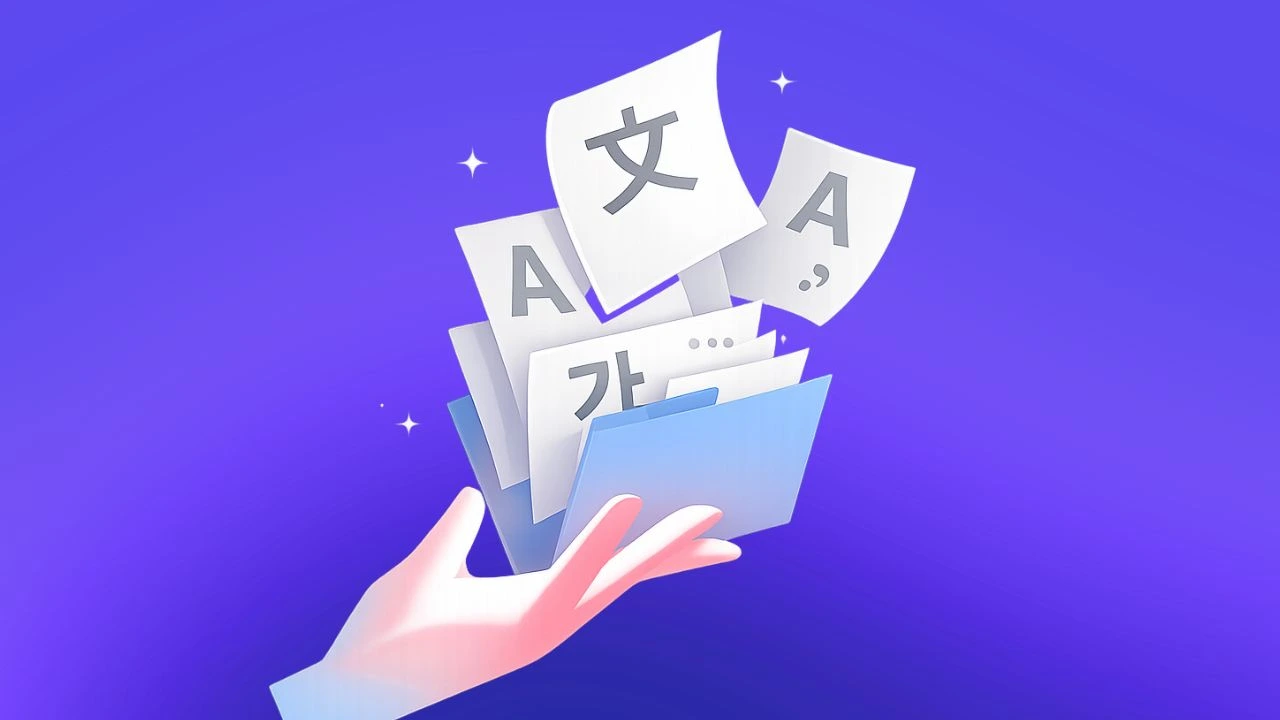
Document translation is the process of converting written content from one language (the source language, like English - "en") into another (the target language, like Korean - "ko"), while maintaining the original meaning, style, and formatting.
[IMAGE: document — translation-overview.webp - alt text containing "English to Korean Document Translation"]
This process goes beyond simple word-for-word substitution. It involves understanding the nuances of both languages, the context of the document, and the cultural implications of the content. Key features include the ability to handle various file formats (.docx, .pdf, .xlsx, .pptx), preserve layout, and ensure accuracy through quality assurance processes.
How Document Translation Handles English to Korean
The workflow for English to Korean document translation typically involves several key steps.
[IMAGE: translation — workflow.webp - alt text containing "English to Korean Document Translation"]
First, the document is analyzed to determine its scope and complexity. Next, the document is prepared for translation, which might include formatting adjustments. Then, the actual translation takes place, often by a professional translator or through a machine translation engine. Finally, the translated document undergoes review and editing to ensure accuracy and fluency. Quality considerations include: ensuring the correct use of Korean honorifics, proper sentence structure, and cultural appropriateness. Accuracy is typically measured by comparing the source and target documents to verify content fidelity. For complex projects, a second review by a different translator is often employed.
Use Cases for English to Korean Document Translation
Document translation is essential across many industries and scenarios.
[IMAGE: use — cases-document-translation.webp - alt text containing "English to Korean Document Translation"]
For example, legal documents, such as contracts and court filings, require precise and accurate translation to avoid misunderstandings and legal complications. Another crucial area is in marketing materials, where brochures, websites, and advertisements must be translated to resonate with the Korean market. Technical manuals and product documentation also benefit from translation, allowing Korean-speaking users to understand product features and instructions. Finally, academic papers and research reports often need translation to disseminate findings globally.
How to Get Started with Document Translation
Getting started with document translation is straightforward. First, identify your document(s) and determine the target audience. Next, choose a translation method. This could be a professional translator, a translation agency, or a machine translation service.
[IMAGE: getting — started-document-translation.webp - alt text containing "English to Korean Document Translation"]
Consider factors such as budget, turnaround time, and the required level of accuracy. Many platforms allow you to upload your document, select the source and target languages, and receive an instant quote. For complex projects, consider a professional service that offers human review and editing. Once the translation is complete, review the translated document for accuracy and clarity, and make any necessary revisions.
Conclusion & Call to Action
Accurate and reliable English to Korean Document Translation is a cornerstone of global communication. By understanding the process, use cases, and how to get started, businesses and individuals can effectively bridge language barriers. For a seamless and efficient document translation experience, explore the capabilities of Doctranslate.io's Document Translation , which supports over 100 languages and preserves document layouts. You can also explore research on the impact of machine translation for more in-depth information.

Discussion
No comments yet