
Finance teams often lose hours manually reformatting balance-sheet footnotes or P&L packs after translation, creating significant bottlenecks in their global audit calendars.
Localization Workflow Automation: Why Manual Processes Create Bottlenecks
Manual file handling frequently results in fractured project timelines where copy-paste operations degrade document context and force excessive, redundant revision cycles. When teams rely on disconnected processes to translate critical collateral, the lack of centralized management often causes vital layout information to vanish during transit, requiring expensive post-editing sessions.
- Revision Bloat: High volumes of manual copy-paste errors force reviewers to spend more time correcting formatting drifts than validating actual linguistic accuracy. * Loss of Context: When source files are processed in chunks rather than as complete document units, nuanced terminological relationships are often sacrificed. * Brand Fragility: Disjointed manual translation risks inconsistent terminology across language pairs, which undermines the professional standard of your localized assets.
What Reliable Workflow Design Needs
A robust system requires an integrated environment that preserves original layout integrity across complex formats like Word, PDF, Excel, and PPT files without manual intervention. Success depends on centralizing terminology management to ensure cross-functional teams speak with one voice, providing a clear audit trail for every translation task.
- Structural Fidelity: Automation must handle complex object nesting within documents, ensuring that diagrams and tables retain their source design. * Centralized Terminology: A unified terminology repository allows teams to lock in proprietary language across all delivery formats, preventing the drift often seen in decentralized workflows. * Human-in-the-loop Gates: The best systems prioritize clear handoff points where internal subject matter experts can verify specific terminology usage within a document flow before final sign-off.
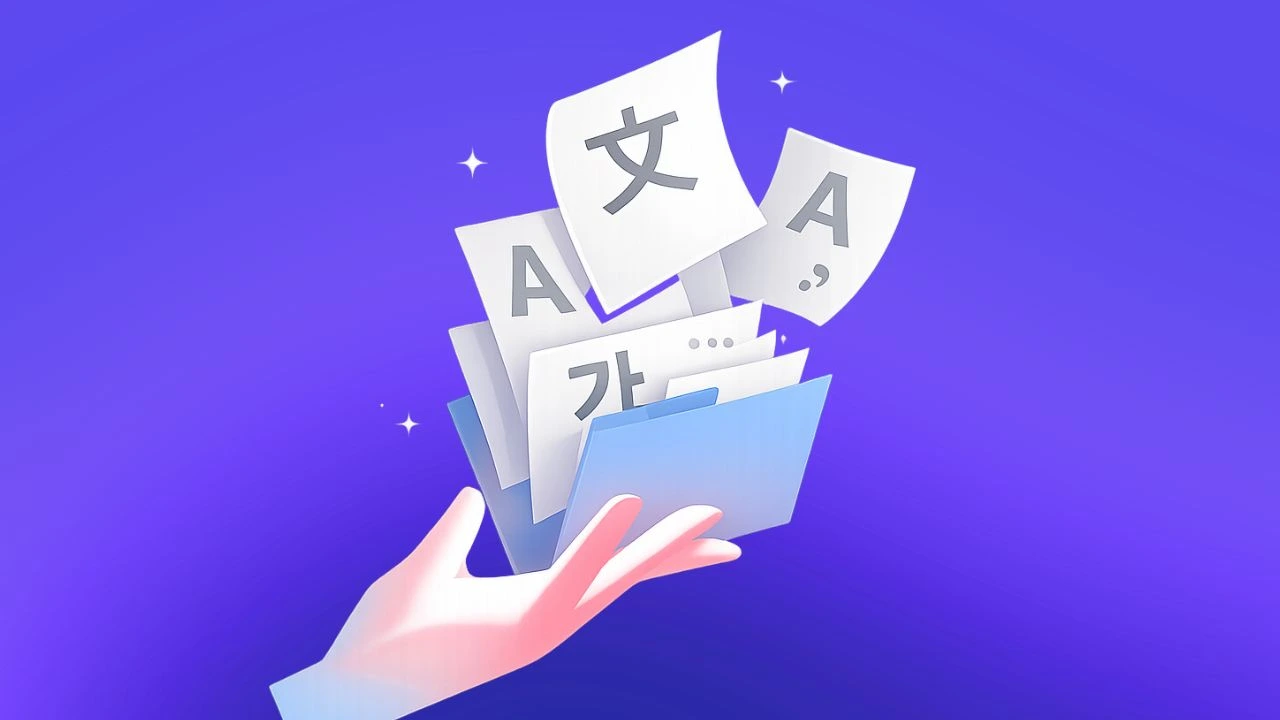
For the practical workflow, localization workflow automation with Doctranslate.io keeps the source file, target output, and review step in one place.
How Doctranslate.io Reduces Review Cleanup
Doctranslate.io streamlines document management by maintaining document-wide styling and formatting, which removes the need for tedious manual post-editing after the translation process. By utilizing advanced document intelligence, this platform minimizes common translation errors that previously necessitated expensive, labor-intensive downstream corrections for high-stakes finance or legal assets.
- Format Preservation: By natively supporting Word, PDF, Excel, and PPT, the platform ensures that your original visual structure remains intact for all 100+ supported languages. * Deployment Readiness: Automated processing ensures that files are ready for immediate deployment upon arrival, significantly reducing the burden placed on your internal review owners. * Context Retention: AI-powered logic maintains the relationship between source elements and translated output, preventing the typical degradation that occurs when files are processed as flat text.
When you integrate document translation services into your current stack, you transform a manual, high-error-rate process into a scalable asset. Maintaining pixel-perfect layouts for sensitive financial documentation is no longer a task requiring manual intervention, as the software handles the intricate relationship between cell-based data in spreadsheets and complex footnote positioning in PDFs.
Step-By-Step File Translation Process
Integrating translation directly into your existing infrastructure requires a systematic approach that balances speed with accuracy. Organizations should prioritize high-frequency assets to see the fastest return on their technical investment.
- Identify High-Frequency Assets: Audit your current document volume to pinpoint assets like policy guides or quarterly reports that occur consistently enough to justify full integration. 2. Integrate File Ingestion: Connect your translation platform directly to existing document storage systems to ensure a continuous flow of assets between teams. 3. Establish Quality Checkpoints: Define specific handoff stages where internal reviewers can verify that terminology usage meets corporate standards before the final approval of any document.
Use Cases by Team and Asset
Different functional teams face distinct challenges when scaling their global document outputs. Automation must be flexible enough to handle the varying nature of these files, from formula-heavy finance spreadsheets to confidential legal agreements.
- Finance Teams: Automating P&L packs and evidence schedules allows teams to meet tight global audit calendars without sacrificing the integrity of complex, formula-linked Excel workpapers. * Legal Teams: Maintaining clause consistency across multilingual contracts is easier with automated flows that respect confidentiality while verifying that every translated section remains legally equivalent to the source document. * Marketing/Operations: Scaling PPT presentations across 100+ languages requires pixel-perfect layout preservation to ensure that visual branding remains identical to the original, preventing the need for manual design-layer reconstruction.
Conclusion
Localization workflow automation has evolved into a strategic necessity for scaling global operations without relying on exponential increases in manual headcount. By leveraging tools like Doctranslate.io, organizations transform their translation process from an operational bottleneck into a competitive advantage, ensuring both layout integrity and linguistic accuracy across every delivery-ready output. Start with Doctranslate.io Document Translation when the next file needs a reviewed, ready-to-share output.

Discussion
No comments yet