
A reliable system requires end-to-end automation that treats document-level metadata as an immutable part of the asset. By enforcing a single source-to-target pathway, you minimize the need for post-translation reconstruction.
Localization Workflow Bottlenecks: How Doctranslate.io Reduces Review Cleanup
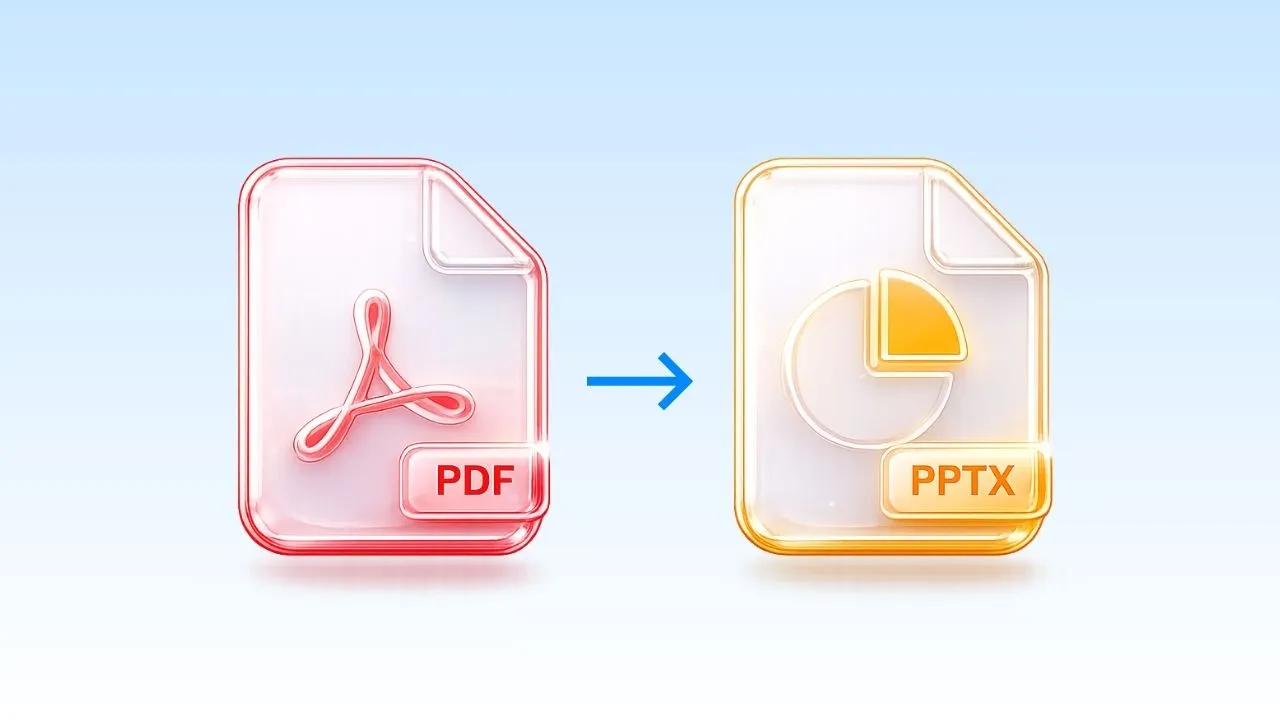
Doctranslate.io solves the layout preservation problem by automatically maintaining your original document formatting for Word, PDF, Excel, and PPT files throughout the conversion process. By ensuring that text frames, cell dimensions, and image placements stay anchored to their original coordinates, the platform eliminates the need for manual, pixel-perfect cleanup of translated P&L statements.
When you use this platform, your reviewers stop acting as manual formatters. Instead, they shift their focus to confirming content accuracy and checking terminology consistency within the dashboard. Because the system supports over 100 languages simultaneously, you drastically reduce the administrative burden of juggling disparate translation vendors or localized file versions.
You can explore the full technical capabilities of this approach at to see how it handles your specific file structure. For the practical workflow, localization workflow bottlenecks with Doctranslate.io keeps the source file, target output, and review step in one place.
Step-By-Step Document Translation Process
Streamlining your localized output relies on a predictable, three-stage technical sequence that ensures high-fidelity results.
- Source Intake: Upload your raw document directly to the platform, where the engine parses the content while safeguarding the existing file architecture, including complex headers and hidden formula structures. 2. Terminology Application: Integrate your existing glossaries to enforce specific brand voice or technical compliance requirements, ensuring that terms like "exception notes" or "control narratives" are translated with industry-standard precision. 3. Final Validation: Review the preserved layout in the browser-based dashboard to perform high-level approval, then download the delivery-ready file in its original format, fully mapped and ready for immediate inclusion in your audit packets.
Modern finance teams often face the "embedded object" dilemma—where spreadsheets are nested within Word reports or PDF slide decks. A common bottleneck occurs when standard translation tools strip these objects or break their links. By utilizing deep-parsing algorithms, the system treats these embedded objects as linked assets rather than static images.
This ensures that when a numerical value in a primary data source is updated, the downstream localized report maintains the necessary referential integrity, preventing calculation errors that could lead to reporting discrepancies during year-end audits. For the practical workflow, localization workflow bottlenecks with Doctranslate.io keeps the source file, target output, and review step in one place.
Use Cases by Team and Asset
Different functional teams require distinct handling of their assets, yet they share the need for high-speed, accurate localization.
- Finance Teams: They benefit by automating the translation of recurring P&L statements and monthly workpapers while ensuring that complex financial formulas remain intact and functional. * Legal Teams: They handle multilingual contract clauses and global compliance documentation with the assurance that all certified translation boundaries remain respected without manual re-formatting. * Operational Teams: They deploy PPT presentations for international training sessions, ensuring that slide components, text boxes, and charts maintain their design integrity without needing global manual slide re-formatting. * Risk Management Units: They manage massive regulatory filing disclosures that require consistent translation across multiple international jurisdictions. Automating these allows the team to focus on the nuance of local regulation rather than document formatting.
Conclusion
Removing localization bottlenecks is not about adding more reviewers; it is about automating the structural maintenance of your documents. By moving away from manual file cleanup and adopting a platform that prioritizes delivery-ready output, your team can transition from slow, inefficient processes to high-speed, accurate global delivery. You can start optimizing your document workflows today by using the specialized tools at Doctranslate.io to handle your entire translation lifecycle.
Start with Doctranslate.io Document Translation when the next file needs a reviewed, ready-to-share output.
Discussion
No comments yet